


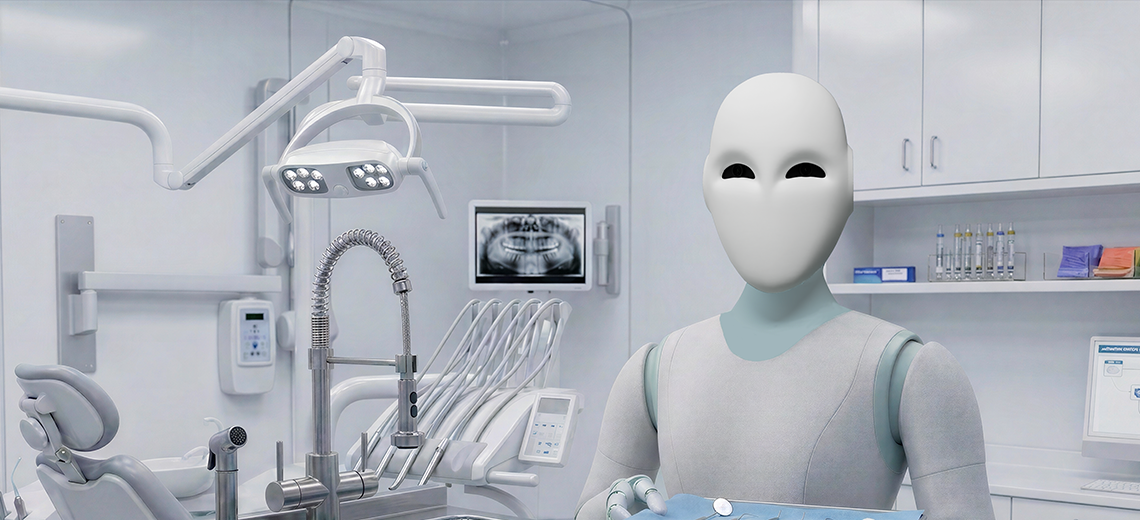
In un’epoca dominata da un progresso tecnologico senza sosta, i robot umanoidi si stanno ritagliando uno spazio sempre più centrale. Non nascono per sostituire l’essere umano, ma per affiancarlo, potenziandone l'efficienza e la produttività.
It is within this constantly evolving landscape that Rosalba De Silvia's experience takes place. Following the CAD-CAM for Future Master's program, held at FabLab Poliba in Bitonto and directed by architect Nicola Parisi in collaboration with the Polytechnic University of Bari, Rosalba began an internship at Crea3D. Here, she faced a genuine design challenge: combining humanoid robotics for medical applications with the opportunities and constraints of digital manufacturing, while taking into account the emotional dimension of design and the principles of human-centered design.
The core requirements of the project called for the development of organic shapes, ideal for healthcare environments to ensure hygiene and ease of cleaning, while also being optimized for 3D printing.
To address these requirements, the design workflow was structured into four main phases.
1. Concept and State of the Art: Defining Maddie's Identity
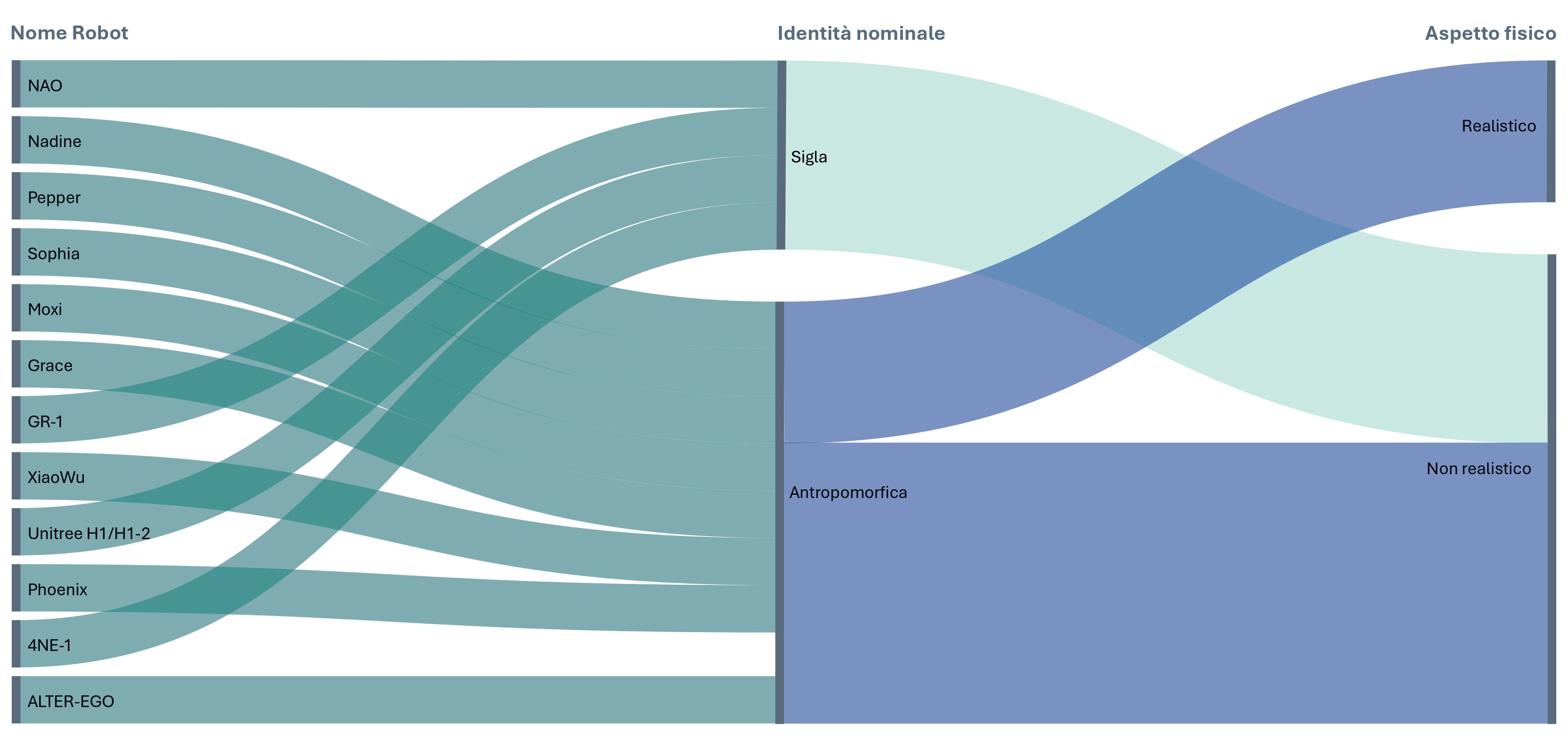
The first phase involved the analysis of twelve humanoid robots already being used in the medical field. Through an infographic, the robots' names (acronyms versus anthropomorphic names) were compared with their degree of aesthetic realism, revealing the absence of a direct correlation between these two aspect
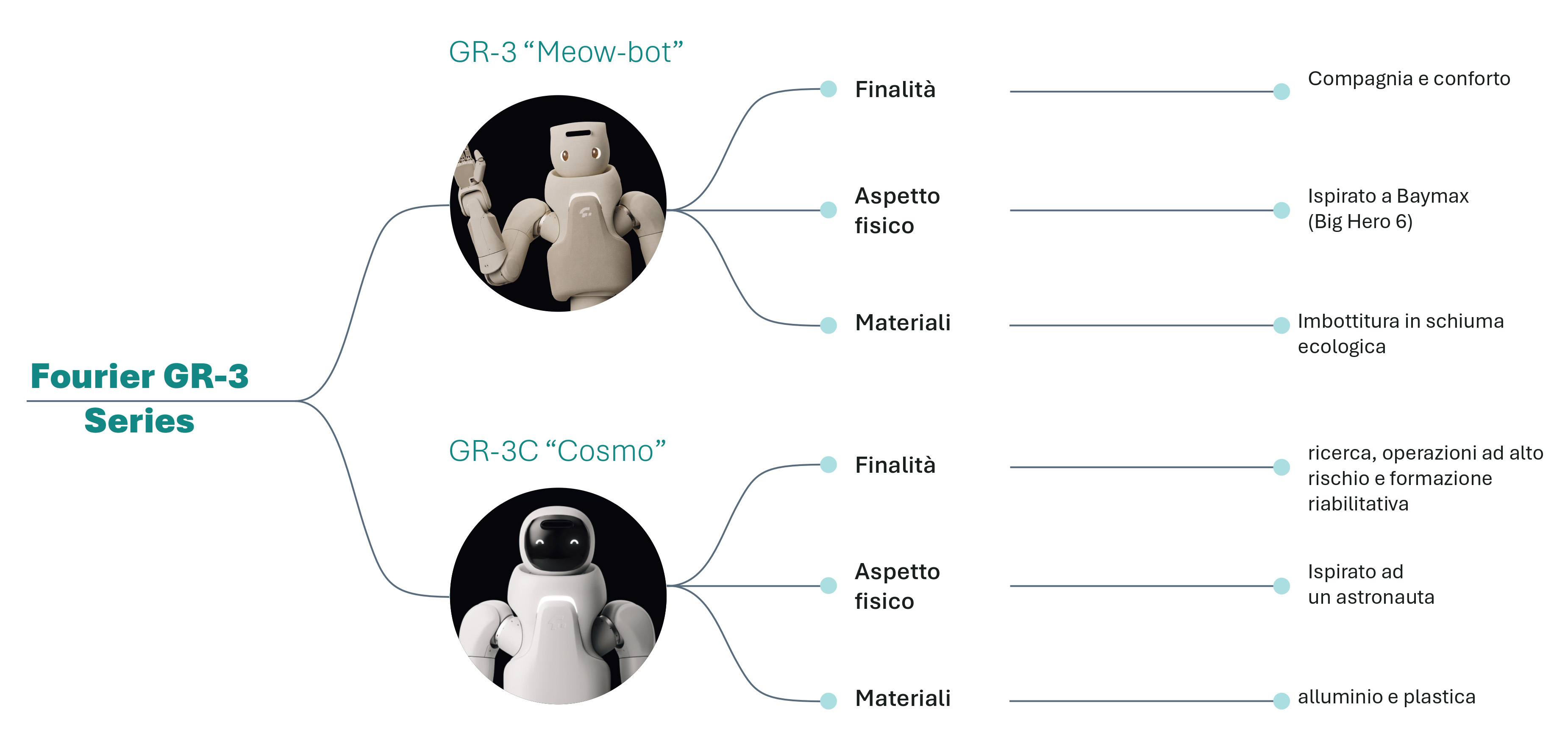
To avoid the Uncanny Valley effect, a recognizable yet non-hyper-realistic aesthetic was chosen. Inspiration from archetypes and visual elements already embedded in the collective imagination helps prevent user alienation. This approach is supported by outstanding case studies, such as the robots of the Fourier GR-3 series (GR-3 Meow-Bot and GR-3C Cosmo), inspired respectively by the character Baymax from Big Hero 6 and by an astronaut.
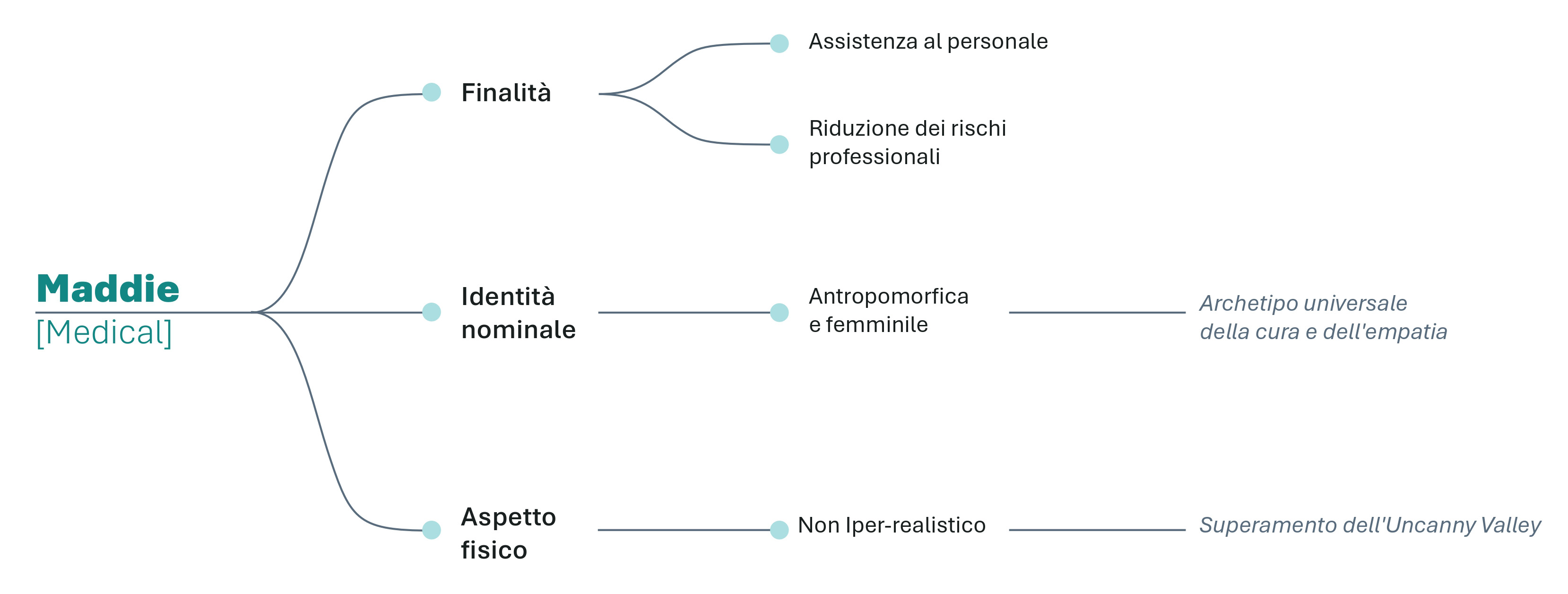
Based on these considerations, Maddie was created (derived from "Medical," while also evoking femininity as a historical archetype of care and empathy).
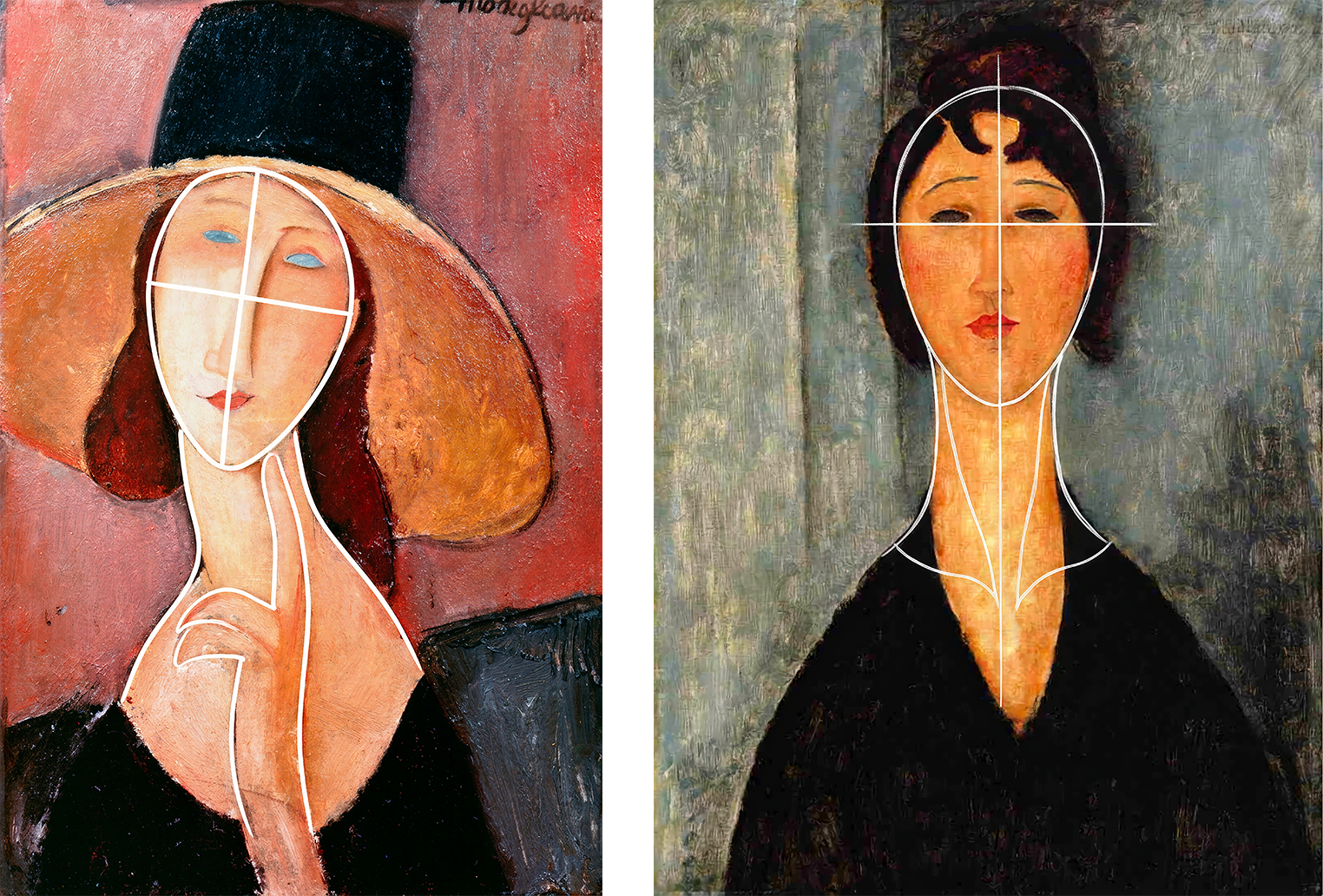
For the formal development of the concept, inspiration came from the portraits of Amedeo Modigliani, characterized by iconic features such as elongated faces, the simplicity and organic quality of the lines, and a composed expression. These characteristics were later transferred to the robot's head during the preliminary sketching phase.
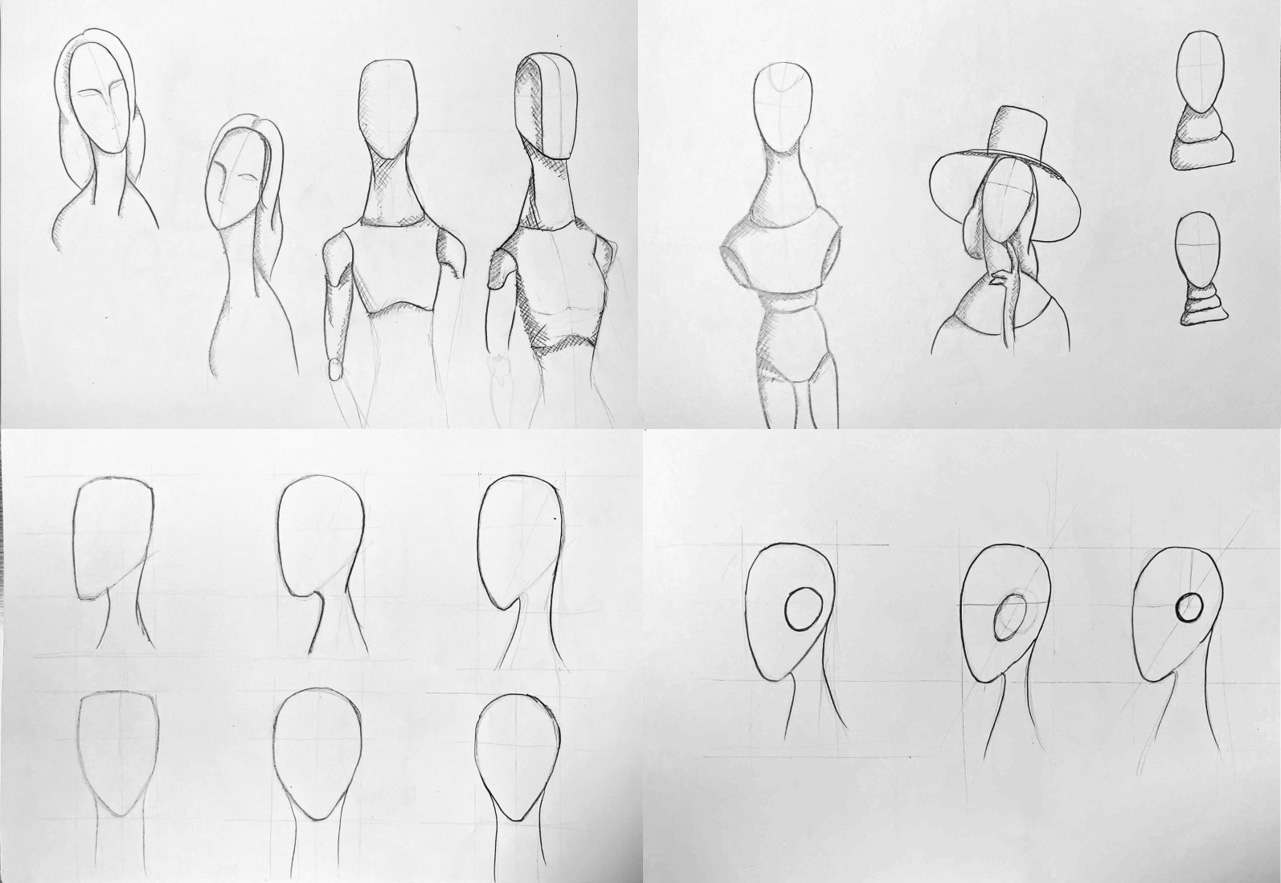
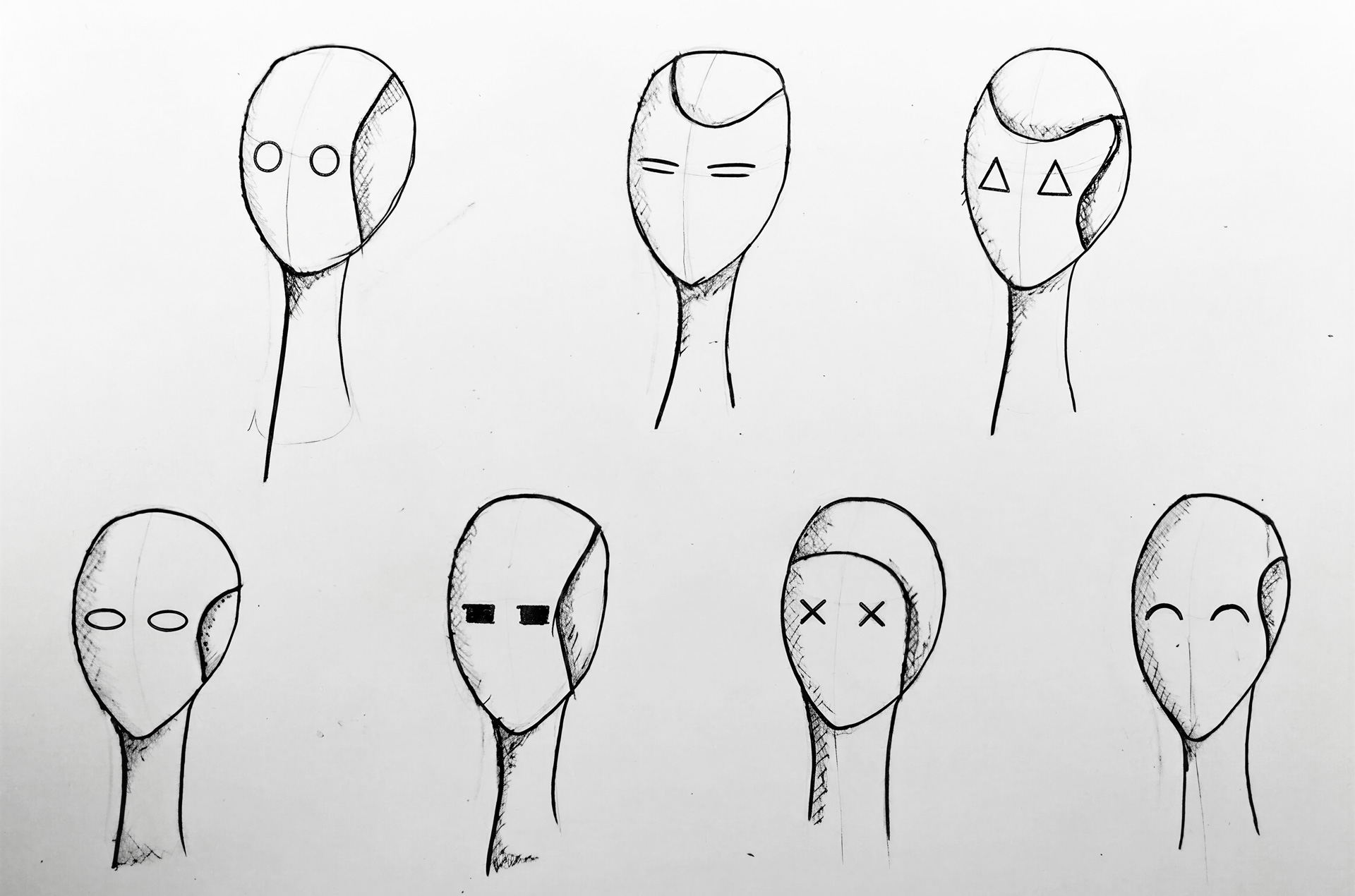
Subsequently, a dynamic study of facial expressions was carried out using the AI-powered software Vizcom, enabling the emotional impact of the face to be evaluated before moving on to the modeling stage.
2. 3D Modeling and Component Design
Once the conceptual foundations had been established, the project moved on to three-dimensional modeling in Rhinoceros. By using SubD modeling, it was possible to "sculpt" the surface while ensuring the continuity and organic qualities required by medical design specifications. Once the overall volume of Maddie's head had been defined, it was strategically segmented.
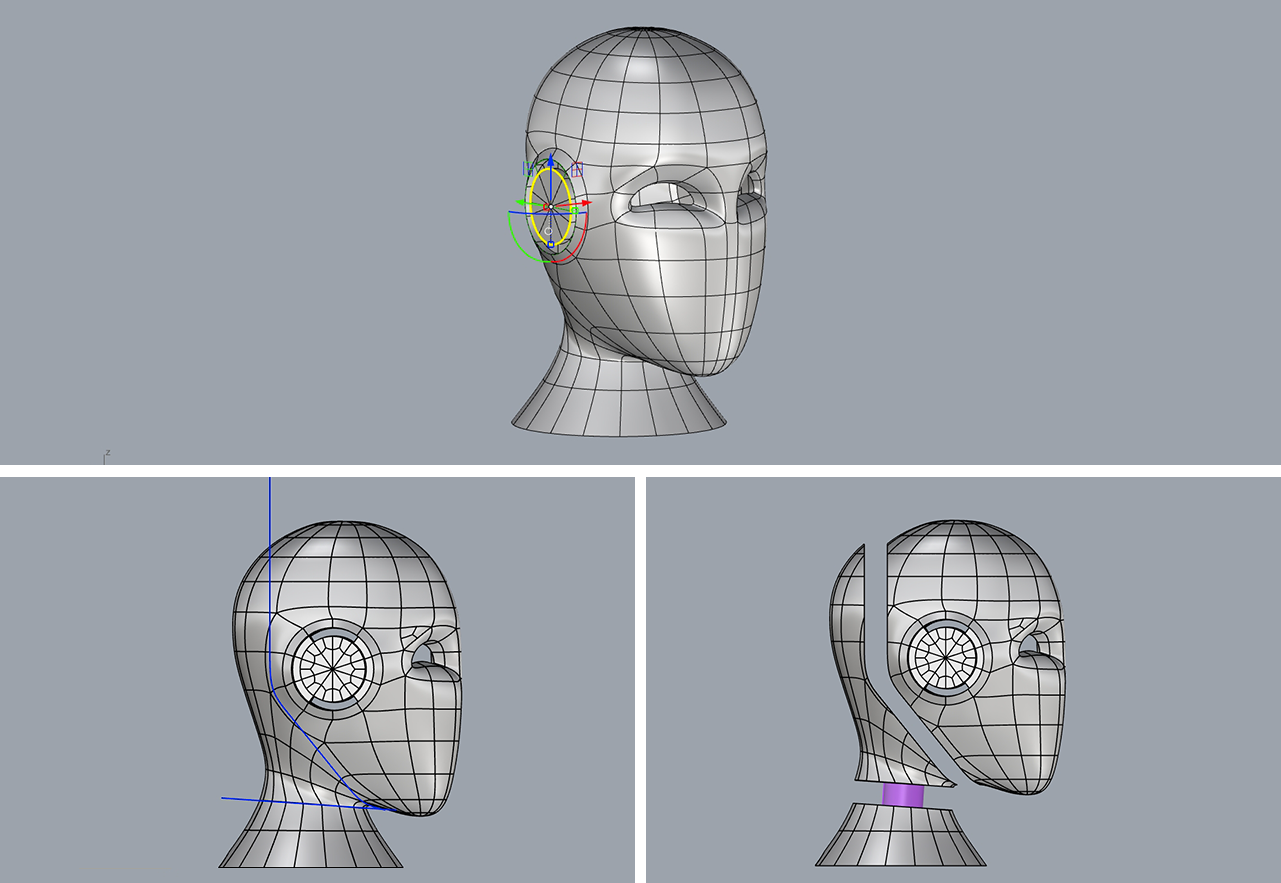
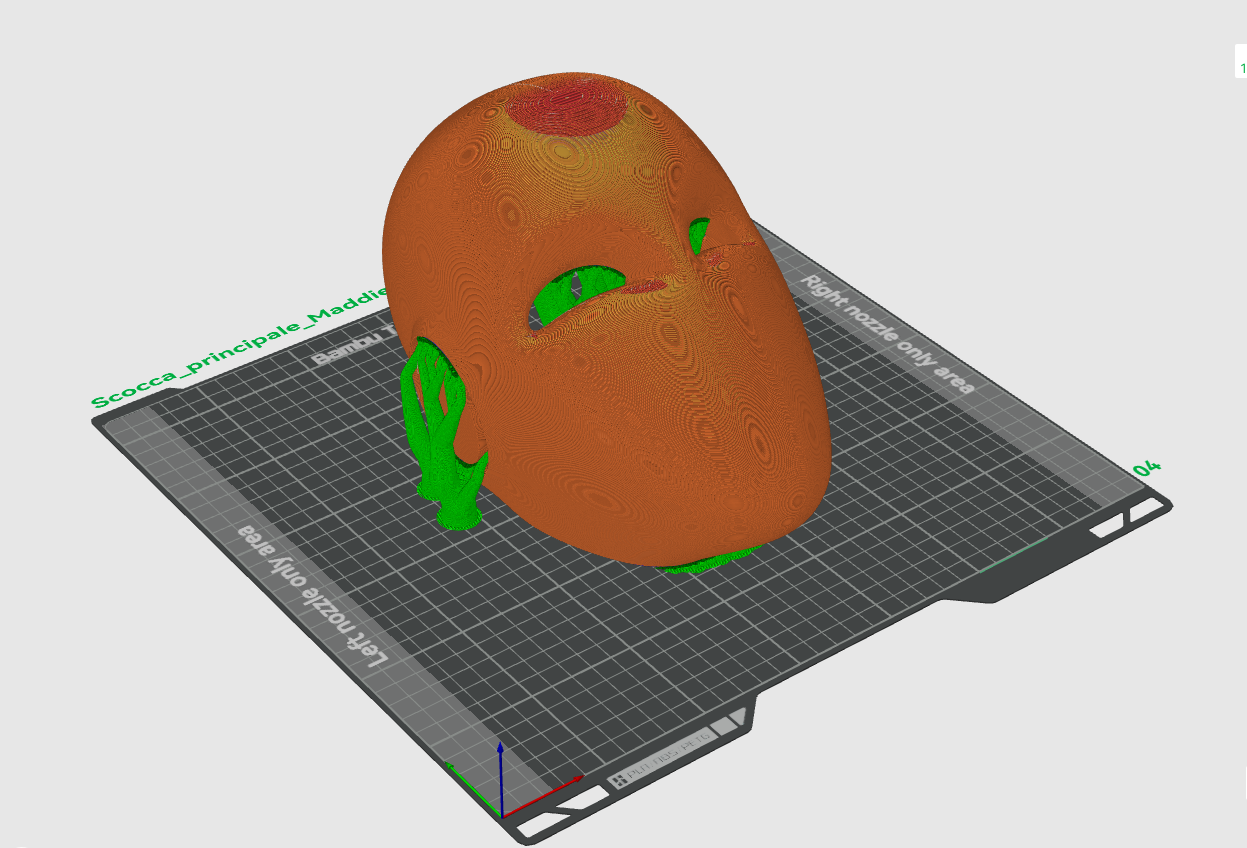
These divisions were designed not only to optimize orientation on the print bed, but also to facilitate assembly and the integration of internal components.
3. Rapid Prototyping and the CMF Approach
The final phase involved the production of a physical prototype using FDM technology on a Bambu Lab H2D Pro 3D printer. Material selection also followed specific design criteria, in line with the CMF (Color, Material, Finish) methodology applied to the healthcare sector, where shades of blue are associated with calmness, balance, and safety. As a result, a combination of PLA Basic White and PLA Pure Baby Blue was selected.
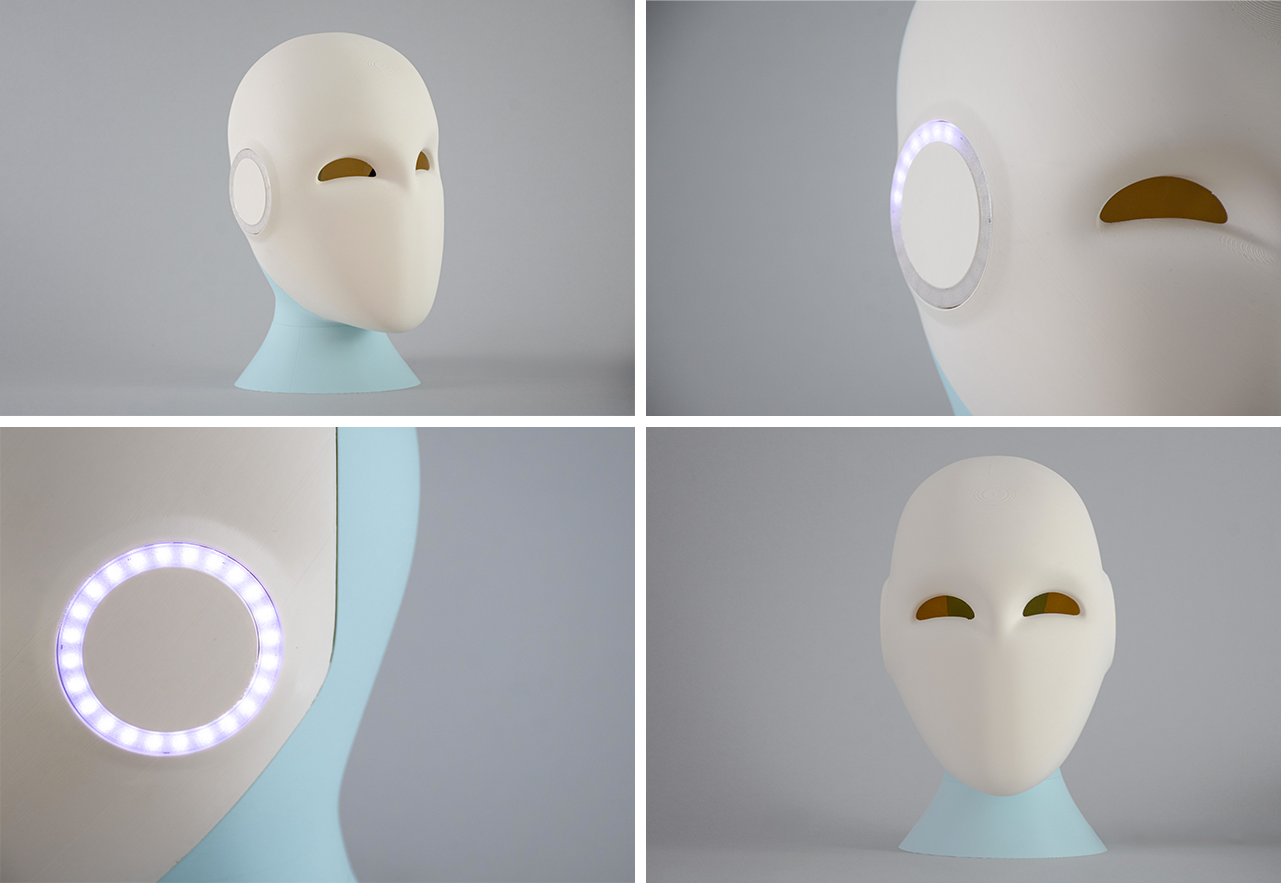
The various shell components were designed to be assembled and connected using small 8 mm magnets.
4. Future Applications Analysis and Storyboarding
In addition to prototyping the head, the project explored Maddie's potential future fields of application. To better contextualize the robot within realistic usage scenarios, the continuation of its body was conceptualized and designed. The process began with hand-drawn sketches, which were subsequently refined and detailed using Vizcom, integrating Maddie into realistic healthcare environments.
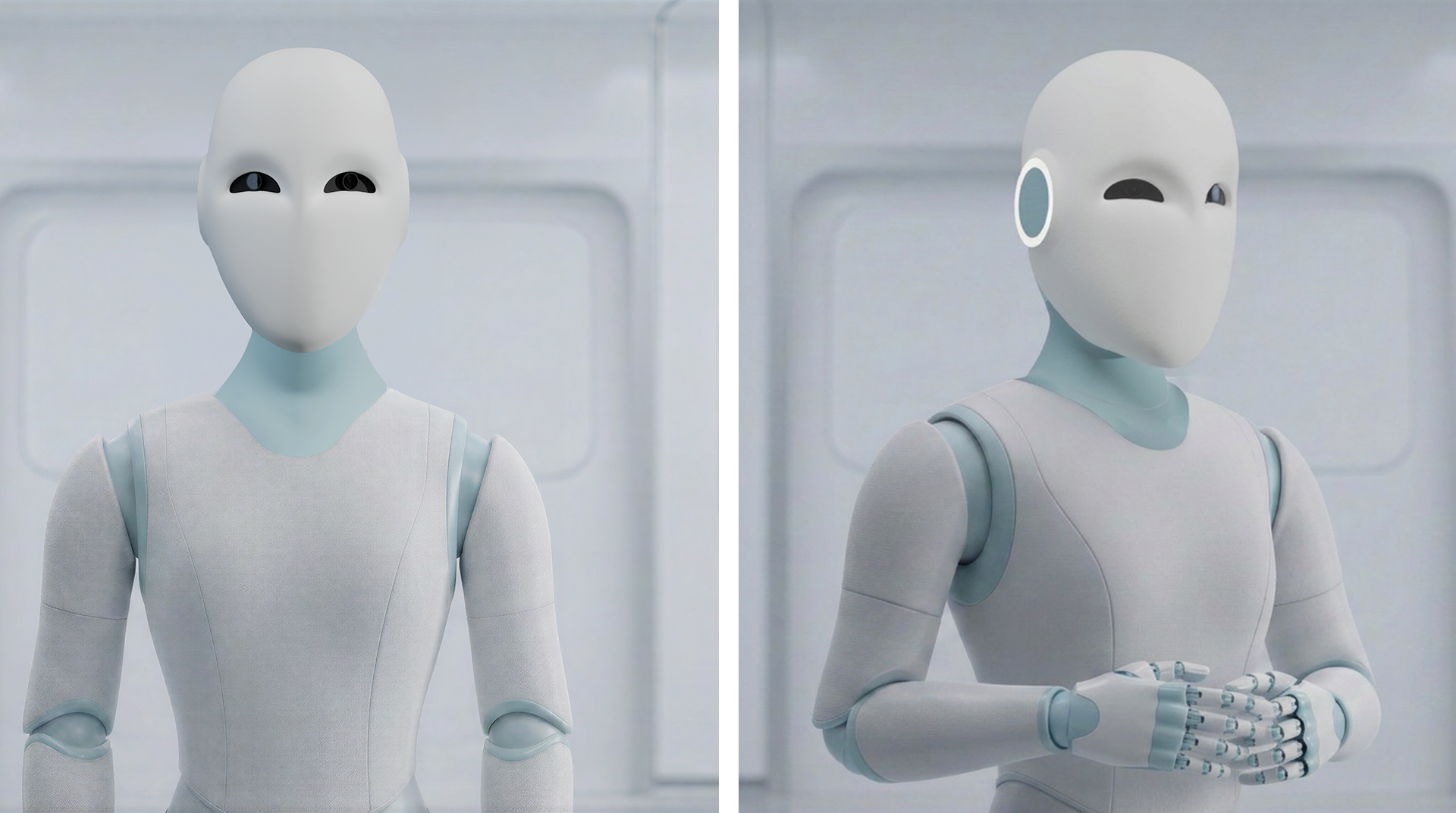
The resulting frames were then combined and animated using the generative AI platform Kling.ai, creating short videos that demonstrate how the robot could be integrated into its future workplaces.
The selected scenarios were those in which the robot primarily supports healthcare professionals rather than patients. Consequently, its not overly friendly but rigorous and essential aesthetic becomes one of its strongest assets.
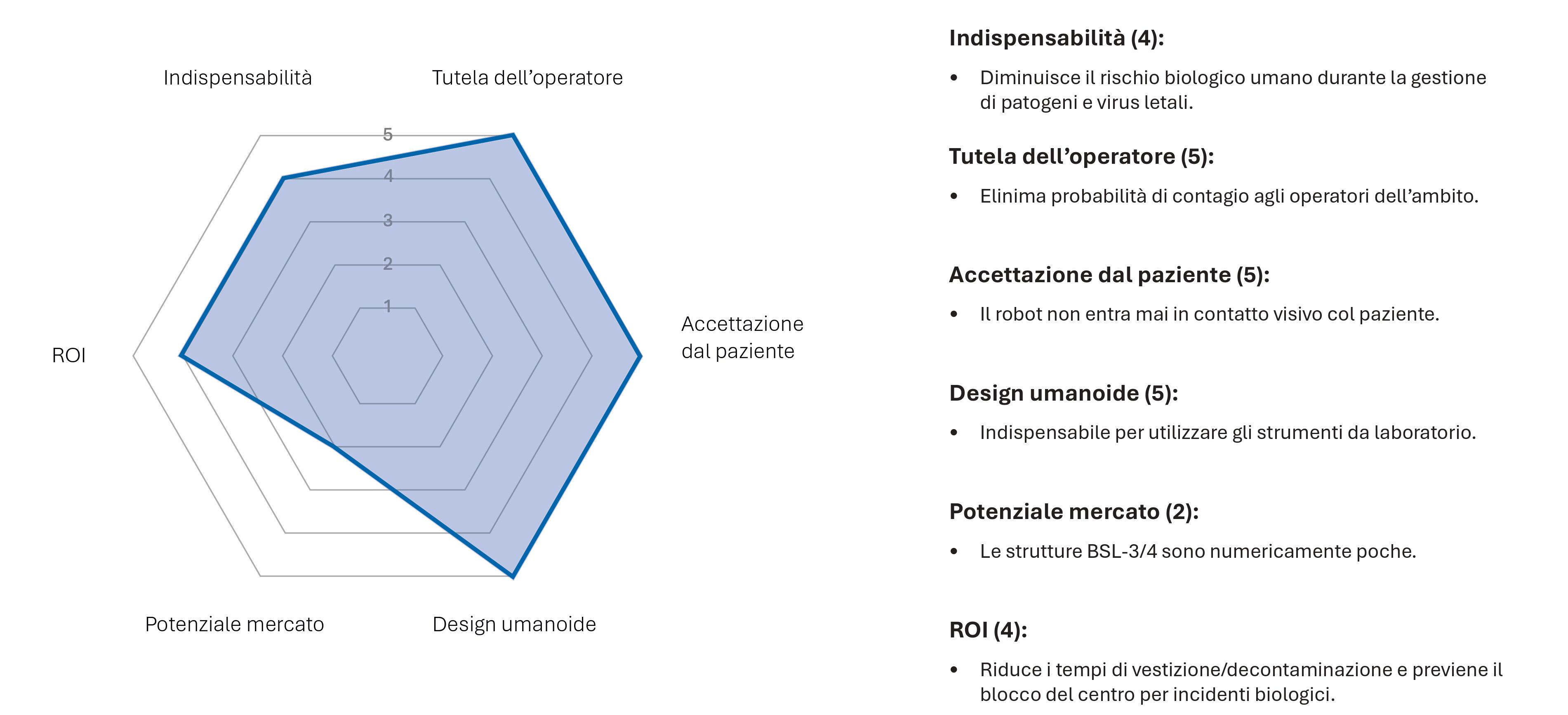
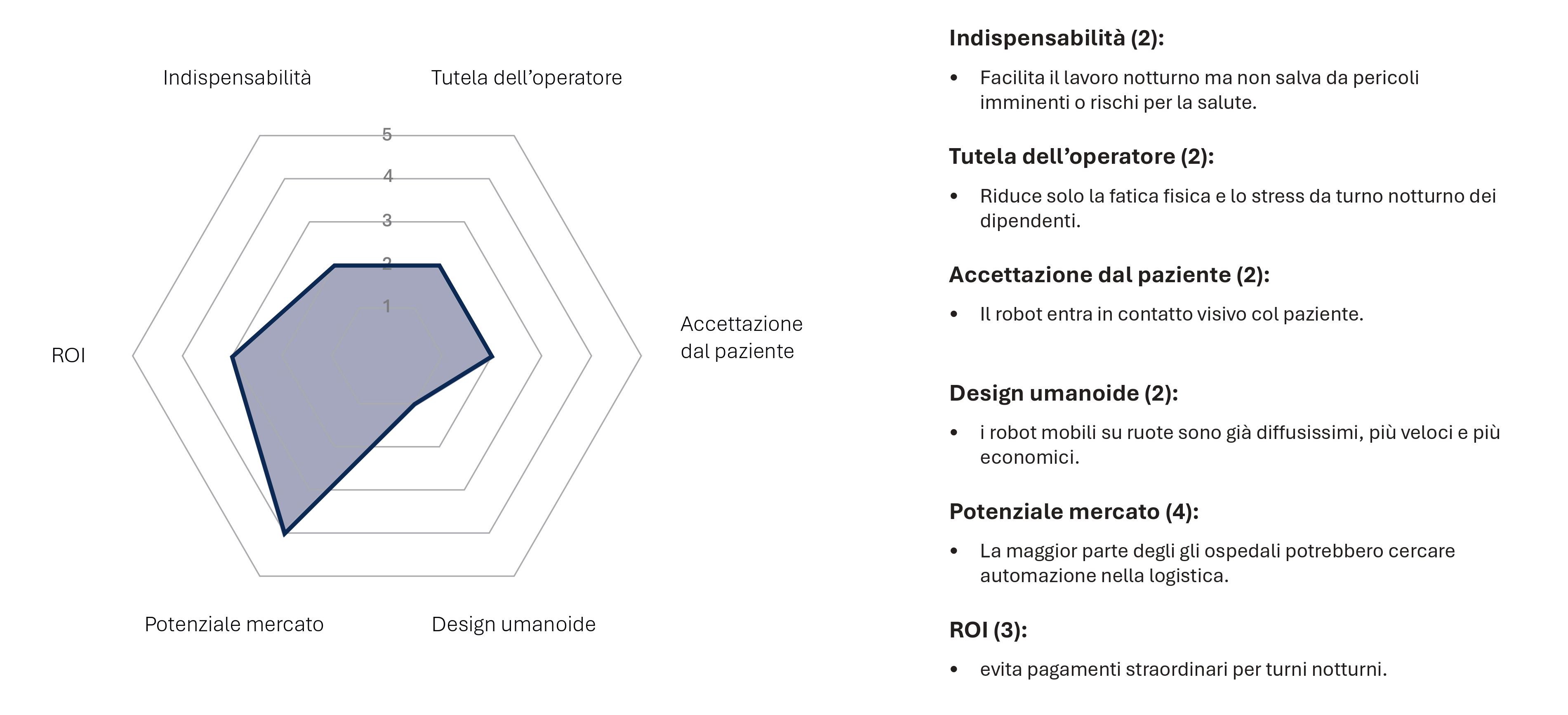
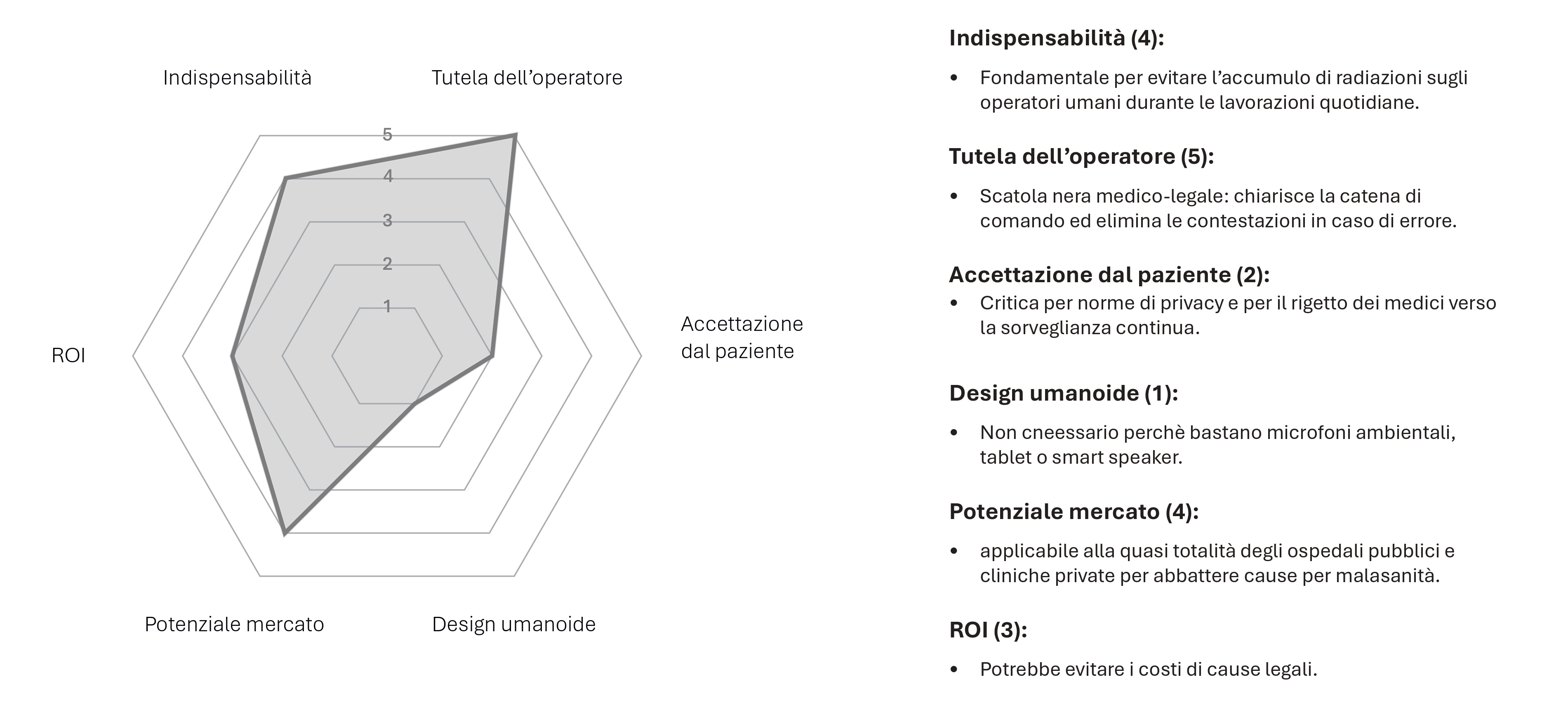
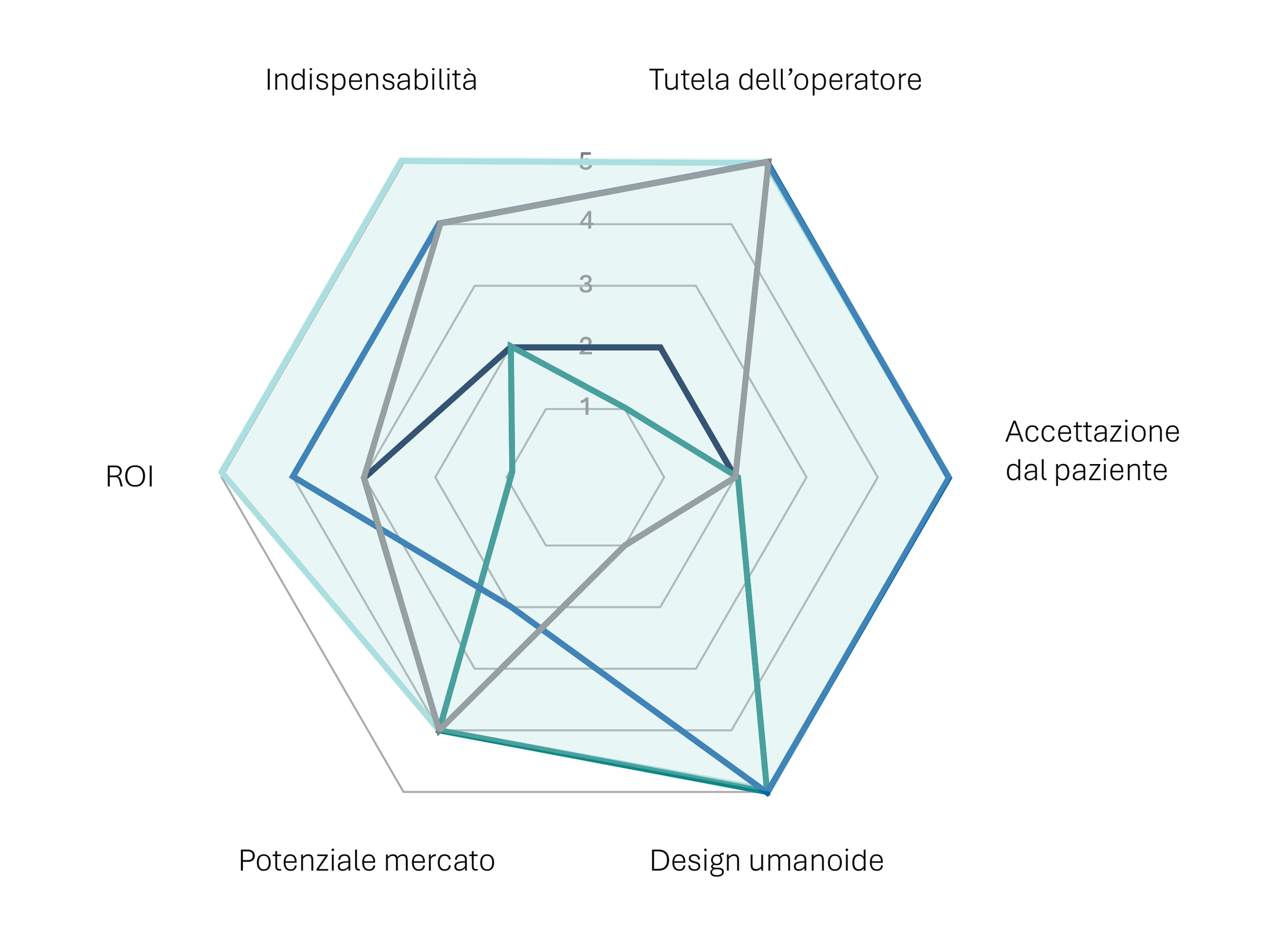
Using an evaluation matrix with scores ranging from 1 to 5, based on variables such as indispensability, operator safety, patient acceptance, consistency between humanoid design and role, potential market size, and expected ROI, five high-value application areas were identified.
The analysis highlighted the following use cases:
Nuclear Medicine: Supporting the production of radiopharmaceuticals while eliminating long-term radiation exposure for healthcare professionals.
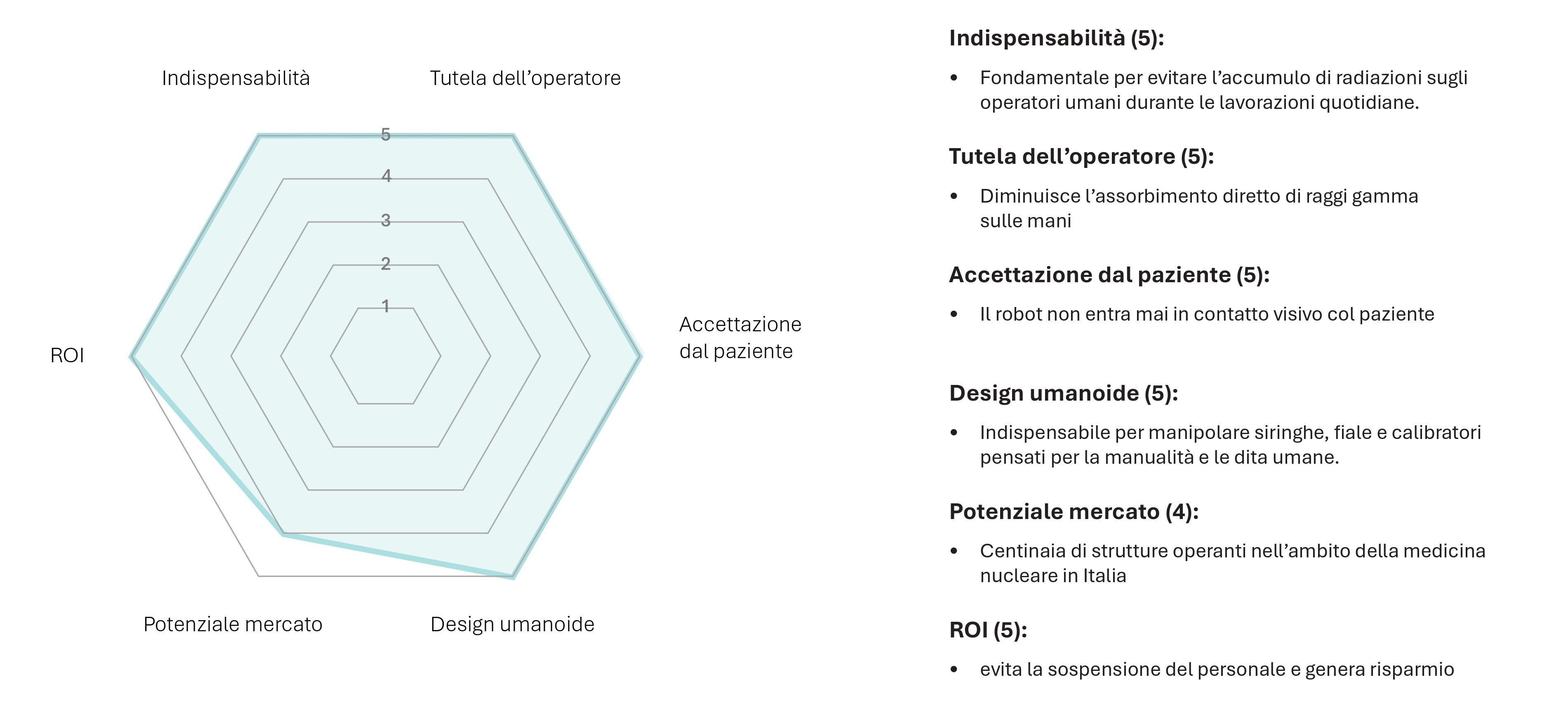
High-Risk Laboratories (BSL-3 and BSL-4): Operating in biologically hazardous environments without risks to human health.
Dental Clinics (Dental Assistant Role): Providing operational and logistical support during clinical procedures.

Hospital Night Logistics: Managing internal deliveries and material transportation to ensure continuous 24/7 operations.
Clinical Tracking: Acting as a neutral intermediary for the automated recording of medical records, dose administration tracking, and transparent documentation of conversations among medical teams.
Comparison of Application Areas
FDM 3D Printing as an Opportunity
Using FDM 3D printing as a design constraint highlighted the full potential of this technology. It enabled the team to fully leverage the advantages of rapid prototyping, making it possible to print, test, and verify the functionality, assembly process, and aesthetic quality of each individual component in real time.
Conclusions
The experience at Crea3D demonstrates how 3D printing continues to establish itself as a key technology for the future of manufacturing, capable of eliminating the gap between a design concept and its physical realization. Digital manufacturing is no longer simply a rapid prototyping tool, but a truly flexible production technology that enables industrial design to interact directly with next-generation robotics.
Do you want to join the project? Contact us at This email address is being protected from spambots. You need JavaScript enabled to view it.


